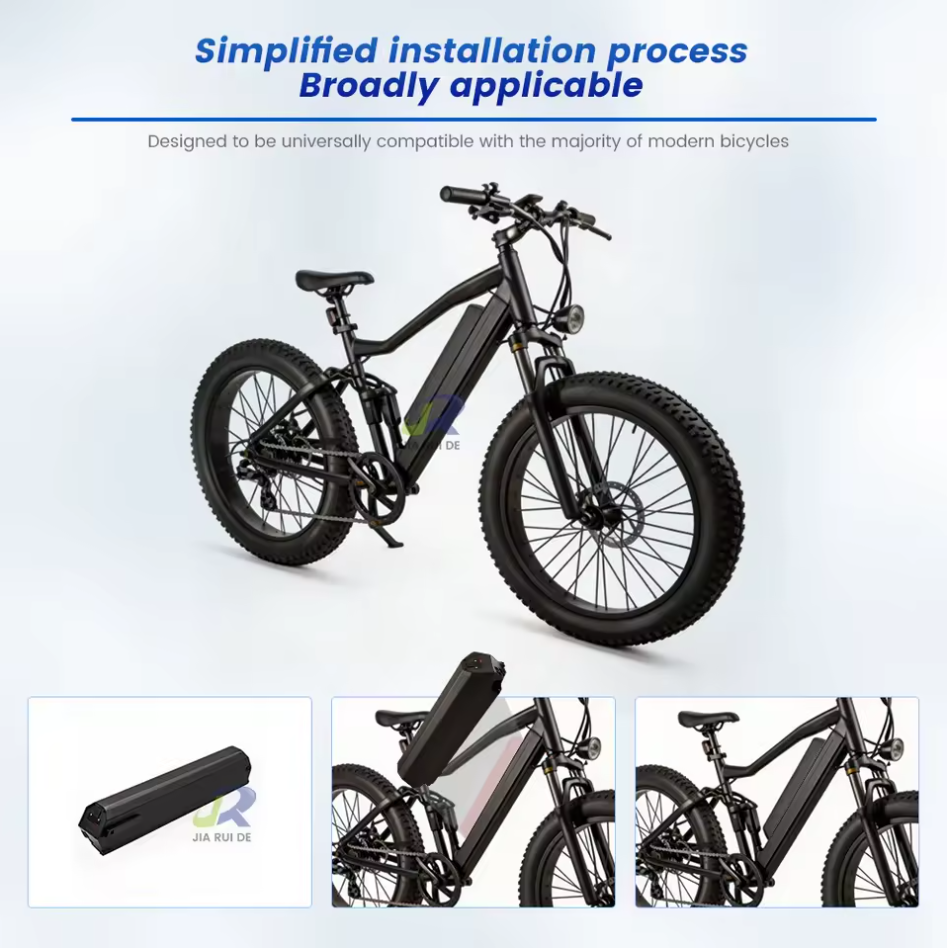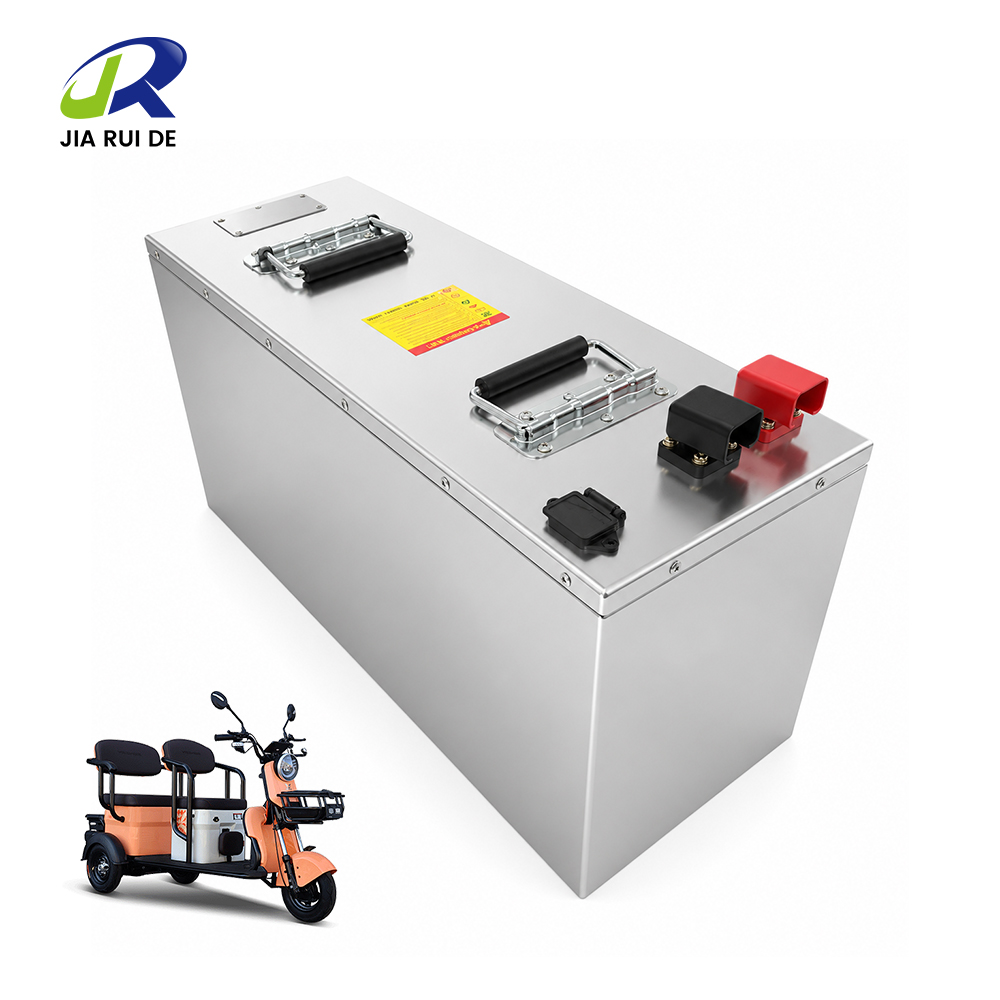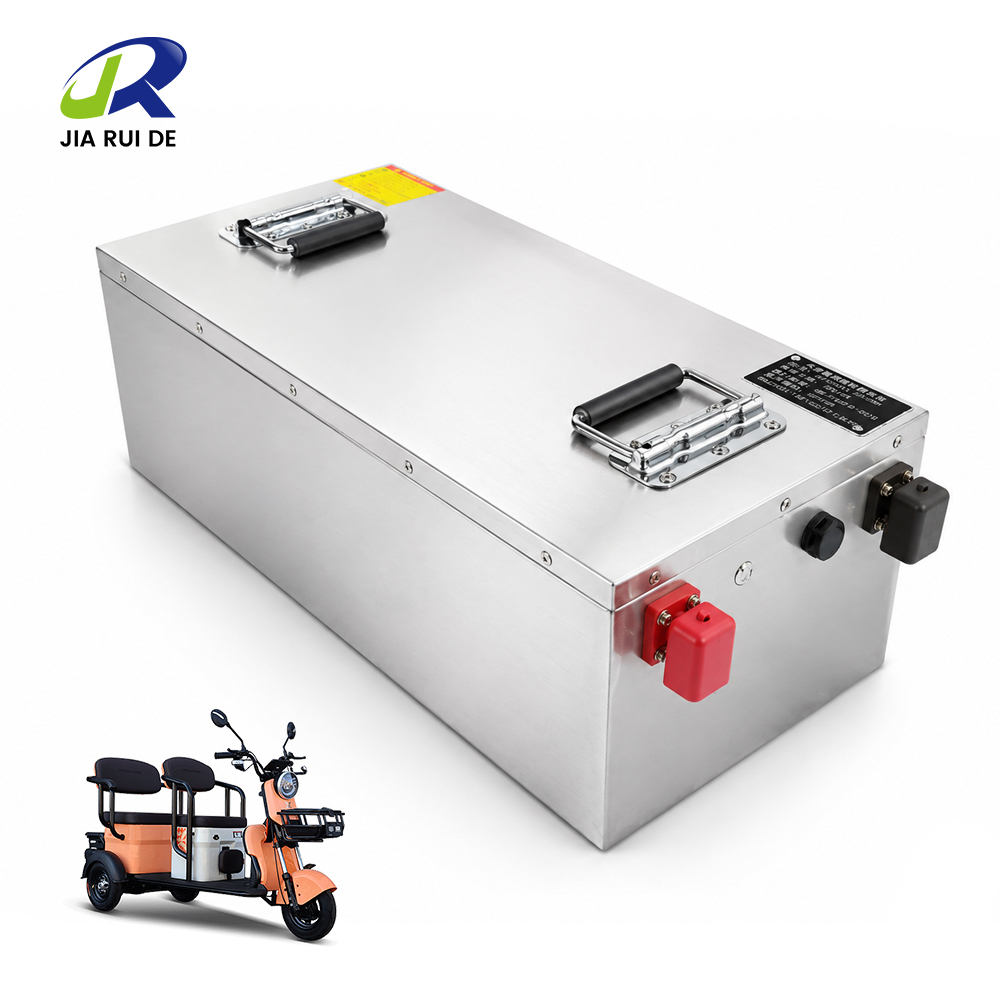
With the maturation of lithium batteries, electric bicycles have become the main mode of short-distance urban commuting. Lithium batteries, with their advantages of being lightweight, having long range, and long lifespan, are gradually replacing traditional lead-acid batteries. We offer several suggestions for choosing lithium batteries for electric bicycles, hoping they will be helpful.

I. Classification of Lithium Batteries
1. Lithium Iron Phosphate Batteries
Advantages: Extremely high thermal stability, cycle life of approximately 2000-3000 cycles, high temperature resistance, higher safety, more affordable price
Suitable for: Daily commuting, frequent use for food delivery, high-temperature areas in the south, those seeking durability and safety
Disadvantages: Lower energy density, larger size taking up more space, shorter range for the same volume, average low-temperature performance
2. Ternary Lithium Batteries
Advantages: High energy density, small size, approximately 20% longer range for the same volume, good low-temperature discharge performance
Suitable for: Users in northern regions, long-distance riding, those with high requirements for range and lightweight design
Disadvantages: Weaker high-temperature resistance, higher price, slightly shorter cycle life than lithium iron phosphate batteries
Due to their small size and long range, ternary lithium batteries are more suitable for electric bicycles. Users can choose based on their usage environment.