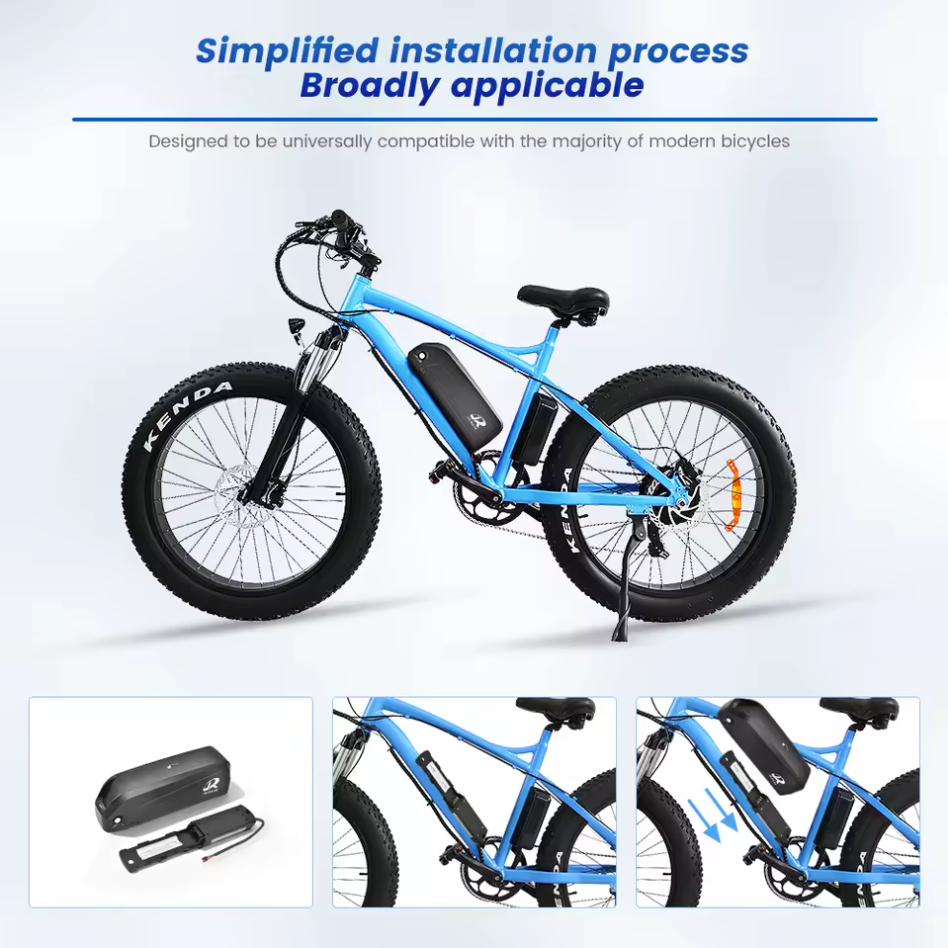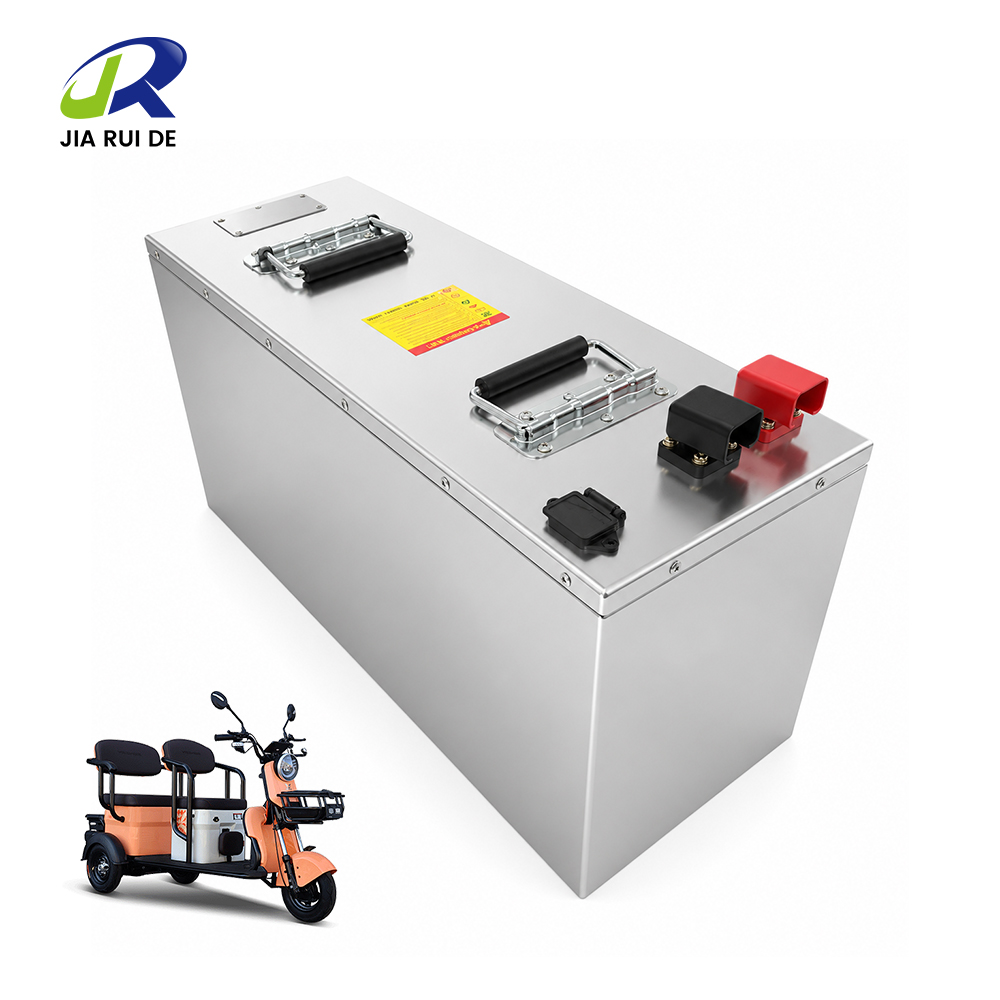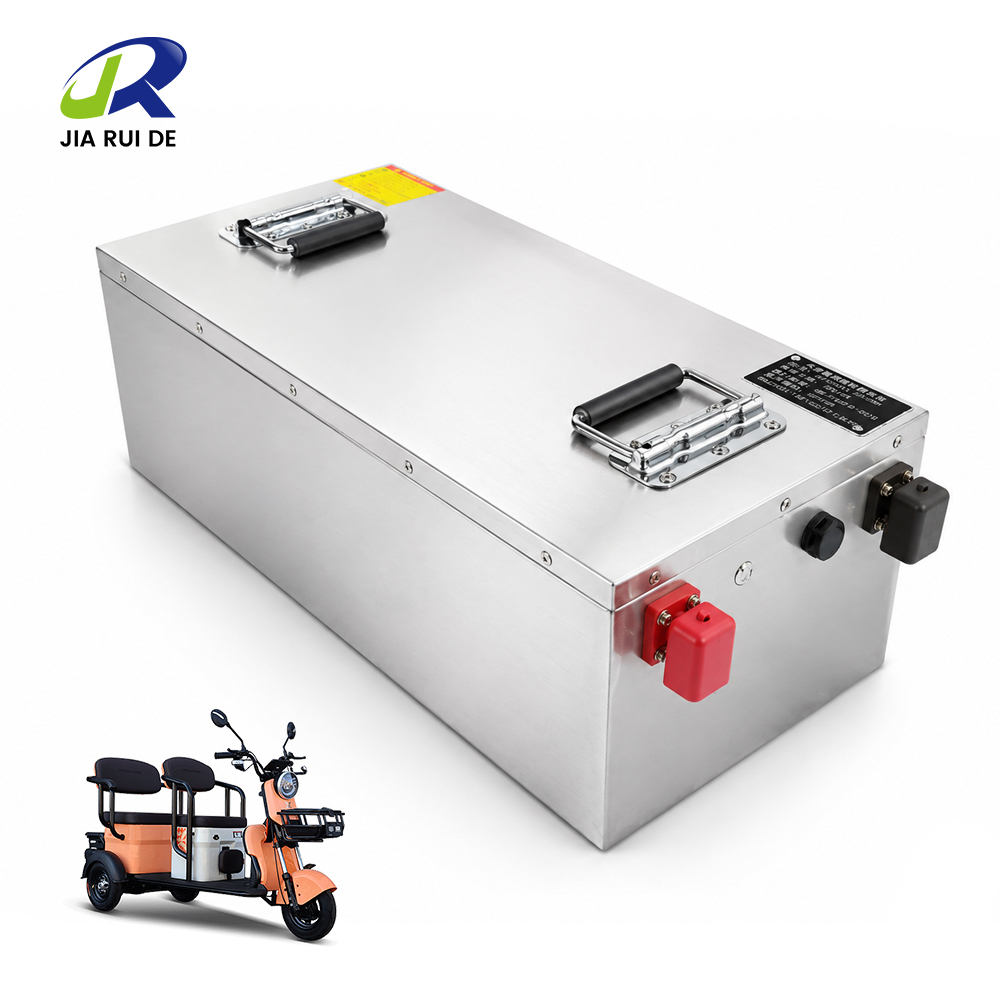
In recent years, the rapid development of electric bicycles has led to a surge in demand for lithium-battery models; as a means of short-distance urban transport, they have become a common part of our daily lives. For electric bicycles to function better, the maintenance of lithium batteries is essential.
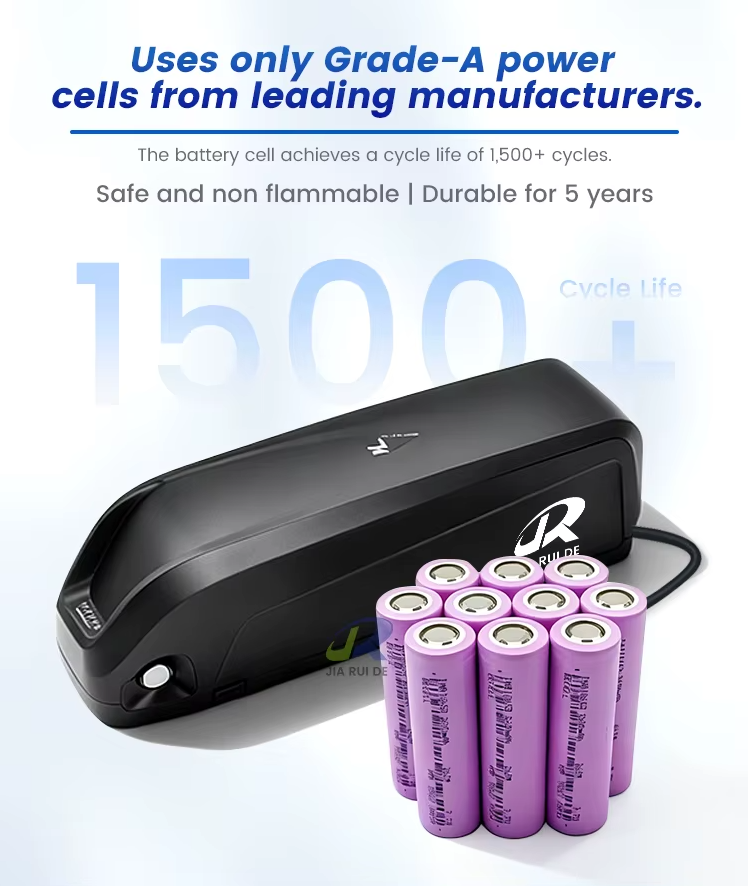
I. Proper Charging Habits
Battery Charge Level Management:
To avoid overcharging and over-discharging, it is recommended to maintain the battery level between 20% and 80% during daily use. Charge the battery promptly when the level drops to 20%–30%; there is no need to charge it to full capacity every time. Disconnect the power within one hour after the charger indicator turns green; charging overnight is strictly prohibited.
Avoid deep discharge:
Do not wait until the battery is completely depleted before recharging. Severe depletion can cause the negative electrode structure to collapse, resulting in irreversible capacity loss or even rendering the battery permanently inoperable.
Charge on demand:
Lithium batteries have no memory effect and support shallow-cycle charging; frequent short-duration charging extends battery life more effectively than deep-cycle charging.
II. Strict Temperature Control
Charging at extreme temperatures is prohibited:
Low temperatures:
Charging below 0°C is strictly prohibited; doing so can cause the formation of "lithium dendrites" that may puncture the separator and trigger a short circuit. In winter, try to charge during the day or in a warm indoor location.
High temperatures:
Avoid charging above 40°C, as high temperatures accelerate electrolyte decomposition and swelling. In summer, opt to charge at night or in a cool, well-ventilated area.
Cool-down after riding:
The battery temperature is high immediately after a ride; allow it to sit for 30 minutes to cool down before charging to prevent heat accumulation from damaging the battery cells.
III. Equipment and Environmental Safety
Use only the original charger:
Do not use chargers designed for lead-acid batteries or lithium battery chargers with incompatible specifications; voltage or current mismatches can easily damage the protection board and cause a fire.
Ensure a proper charging environment:
Choose a dry, well-ventilated location; strictly prohibit charging in enclosed spaces such as hallways or indoors; and keep away from open flames and combustible materials.
Port Maintenance:
Periodically inspect the charging port to ensure it is clean and free from oxidation or corrosion; verify good contact to prevent overheating caused by excessive contact resistance.
IV. Maintenance for Long-Term Storage
Storage at partial charge:
When not in use for an extended period, store the battery with a charge level of 50%–60%. Storing it fully charged or deeply discharged for a long time will accelerate aging.
Periodic Recharging:
Lithium batteries are subject to self-discharge; it is recommended to check and recharge the battery every 2–4 weeks during periods of inactivity to prevent voltage from dropping too low, which could render the battery unusable.
Disconnection:
If the vehicle is to be stored for an extended period, it is recommended to disconnect the battery from the vehicle to reduce quiescent power consumption.