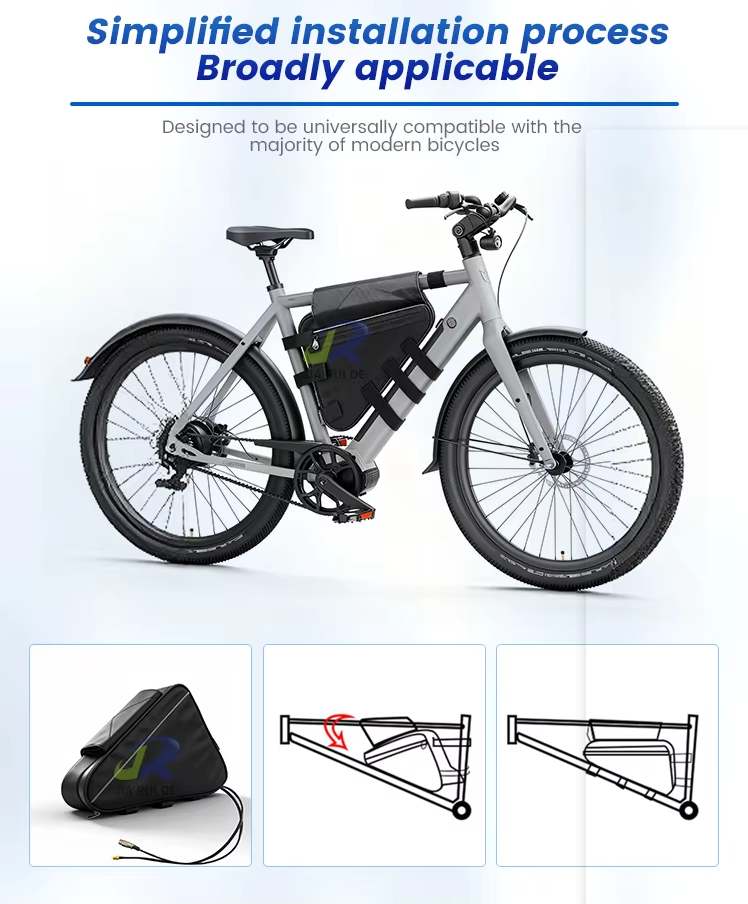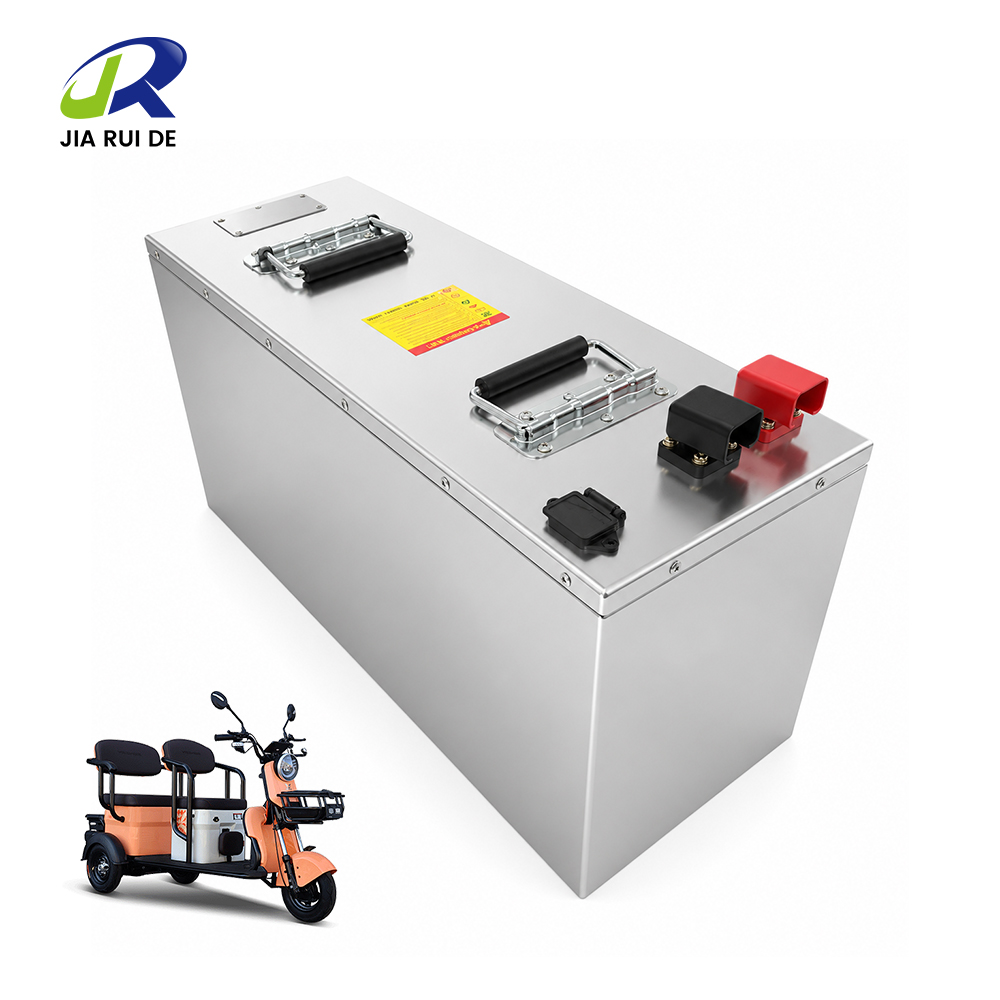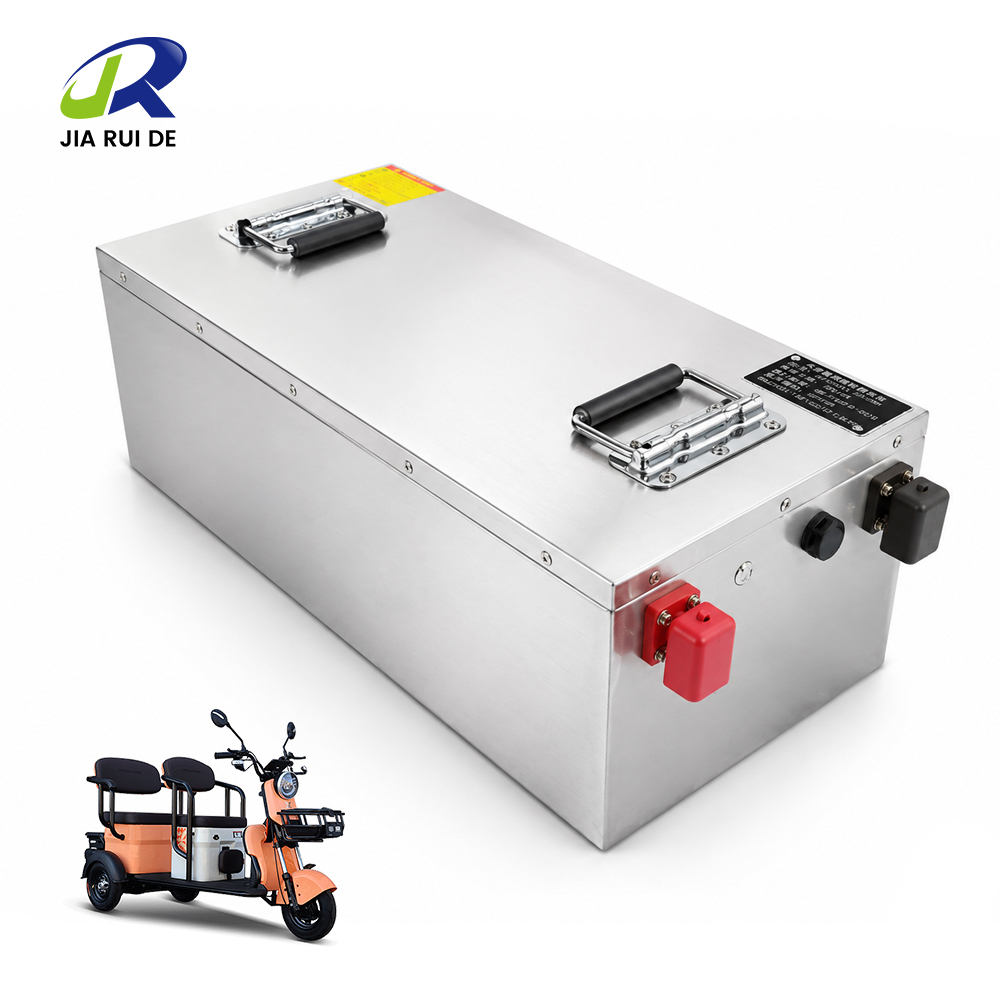
The most common lithium batteries for electric bicycles on the market are ternary lithium batteries and traditional lead-acid batteries, and the two are suitable for different needs due to their differences.
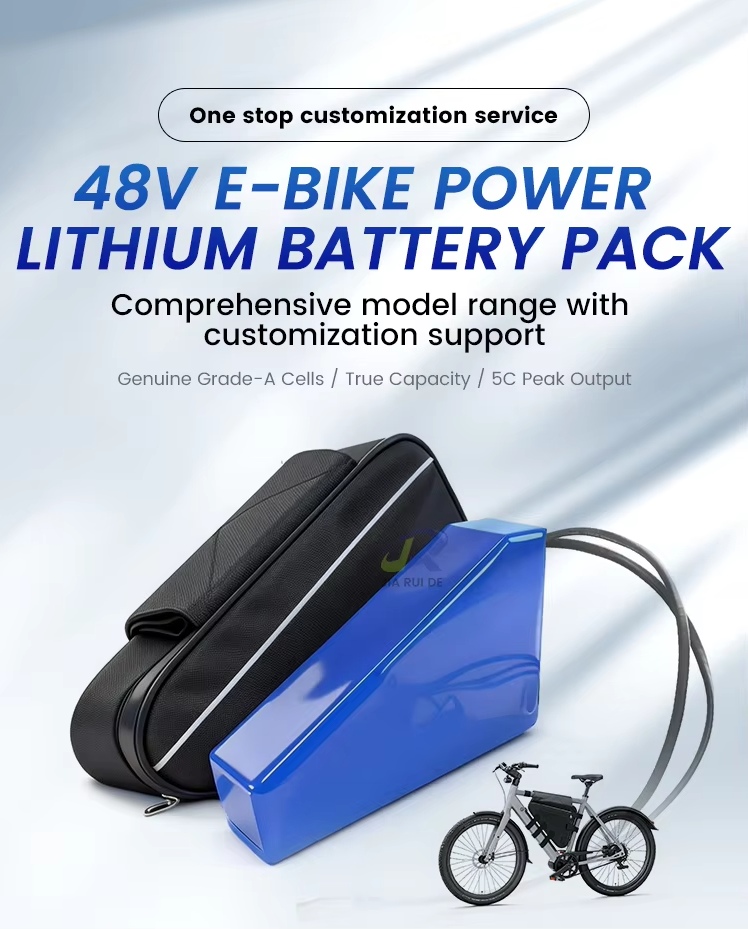
I. Significant differences in energy density
Ternary lithium batteries:
Energy density approximately 150-200Wh/kg, weight only 1/3 that of lead-acid batteries of the same capacity, lightweight and convenient.
Lead-acid batteries:
Energy density only 30-50Wh/kg, bulky design adds 8-10kg to the vehicle's weight.
Because ternary lithium batteries are small in size and do not take up much space, they can increase the range of electric bicycles by more than 20% while reducing the overall burden on the vehicle.
II. Differences in lifespan
Cycle life: Lithium batteries can reach 800-1200 cycles, while lead-acid batteries only reach 300-500 cycles.
Degradation data: Lithium batteries can still retain 80% of their capacity after 3 years, while lead-acid batteries lose more than half of their capacity after 2 years.
III. Differences in User Experience
Charging speed: Lithium batteries support fast charging in 3-4 hours, while lead-acid batteries require more than 8 hours.
Temperature adaptability: Lithium batteries can still release 80% of their capacity at -20℃, while lead-acid batteries show a significant decrease in low-temperature performance.
Discharge stability: Lithium-ion batteries have a stable voltage curve and do not exhibit the "decreasing power over time" phenomenon common with lead-acid batteries.
In the long run, although the unit price of ternary lithium batteries is higher, the average annual cost is actually lower. Traditional lead-acid batteries, while inexpensive, are not very durable. Users can choose based on their individual needs.